Table of Contents
Potter Waltz Harry Potter And The Goblet Of Fire Piano Solo sheet music Noten partitura spartiti, 楽譜
| Community Musicians, building a worldwide Community Music. | |
| All the music you want to play on one site. Sharing the world’s best Contemporary, jazz, Popular, and classical Sheet Music. | |
| Scores: >15,000 (active and growing every day), over 231,000 pages All genres and Categories: Jazz & Blues, Rock & Pop, classical & contemporary, film & musicals’ scores; books & biographies; methods, études, and exercises; play along background MP3 audios & PDFs for Jazz & Rock Music Access and benefits: Subscription fee: $15.99 one-time payment, valid for lifetime (Secure Payment via Paypal, or Stripe) How to join the Sheet Music Library 🔍 Search in the Library Catalog — FAQs — Join us |
Please, subscribe to our Sheet Music Library.
If you are already a subscriber, please, check our NEW SCORES’ page every month for new sheet music. THANK YOU!
Best Sheet Music download from our Library.
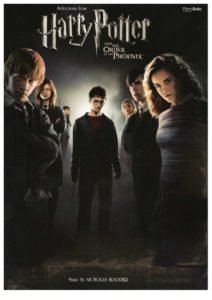
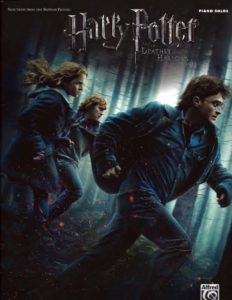
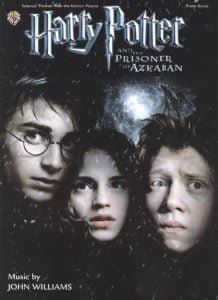
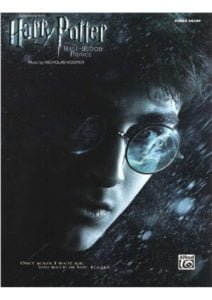
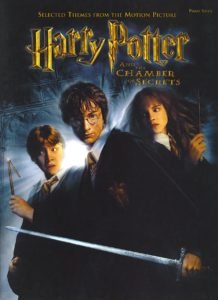
The music of the Harry Potter
The music of the Harry Potter film series is a cornerstone of its magical atmosphere, blending whimsy, adventure, and emotional depth. Composed by multiple artists over the decade-long saga, the scores evolved alongside the story’s shift from childhood wonder to darker, mature themes. Here’s a breakdown:
Key Composers
- John Williams (Films 1–3):
- Created the iconic “Hedwig’s Theme” (heard in the main titles), which became the series’ musical signature.
- Introduced leitmotifs for characters (e.g., Harry, Voldemort) and locations (Hogwarts).
- Notable tracks: “Leaving Hogwarts,” “Buckbeak’s Flight,” and the Quidditch match themes.
- Patrick Doyle (Film 4: Goblet of Fire):
- Added folk-inspired and dance elements (e.g., the “Yule Ball Waltz”).
- Emphasized darker tones with tracks like “Harry in Winter.”
- Nicholas Hooper (Films 5–6):
- Focused on intimate, emotional moments (e.g., “Dumbledore’s Farewell” in Half-Blood Prince).
- Incorporated choral elements for the Order of the Phoenix.
- Alexandre Desplat (Films 7–8: Deathly Hallows):
- Delivered a haunting, introspective score reflecting the story’s gravity.
- Highlights: “Lily’s Theme” (featuring a melancholic music box motif) and “Courtyard Apocalypse.”
Musical Themes & Evolution
- Continuity: Williams’ motifs (e.g., “Hedwig’s Theme”) recurred throughout the series, maintaining cohesion despite changing composers.
- Tonal Shift: Early scores were playful and orchestral (celesta, flutes), while later films used darker, complex harmonies (lower strings, choir) to mirror rising stakes.
- Character/House Themes: The Weasleys, Dumbledore, and Hogwarts itself had distinct musical identities. The “Hogwarts’ March” and Slytherin’s ominous motifs added depth.
Instrumentation & Style
- Celesta: Gave “Hedwig’s Theme” its magical, icy sparkle.
- Choir: Used in pivotal moments (e.g., “Battle of Hogwarts”).
- Folk Instruments: Doyle incorporated fiddles and accordions for the Triwizard Tournament’s Eastern European flair.
Cultural Impact & Legacy
- The scores are synonymous with the Wizarding World, featured in theme parks, video games, and concert series like “Harry Potter in Concert.”
- Williams’ work remains influential, inspiring countless film composers.
- Tracks like “Leaving Hogwarts” and “Obliviate” (Desplat) are celebrated for their emotional resonance.
The music of Harry Potter not only enhanced the films but also became a timeless part of modern culture, enchanting audiences with its ability to evoke magic, bravery, and the journey from light to darkness.
Browse in the Library:
Or browse in the categories menus & download the Library Catalog PDF: