Come join us now, and enjoy playing your beloved music and browse through great scores of every level and styles!
Can’t find the songbook you’re looking for? Please, email us at: sheetmusiclibrarypdf@gmail.com We’d like to help you!
Table of Contents
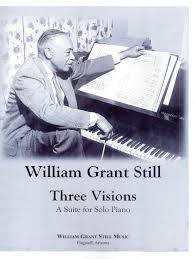
William Grant Still: Three Visions (Suite for piano solo)
Best Sheet Music download from our Library.

Please, subscribe to our Sheet Music Library.
If you are already a subscriber, please, check our NEW SCORES’ page every month for new sheet music. THANK YOU!
0:00 – Dark Horseman 1:30 – Summerland 6:00 – Radiant pinnacle
Browse in the Library:
Or browse in the categories menus & download the Library Catalog PDF:
William Grant Still
William Grant Still (1895 – 1978) was an American composer, arranger, conductor, and multi-instrumentalist, often called “the Dean of African American composers.” He was the first African American to have a symphony performed by a major orchestra in the United States, the first to conduct a major symphony orchestra, and the first to have an opera produced by a major opera company.
Early Life and Education
- Born on May 11, 1895, in Woodville, Mississippi, and raised in Little Rock, Arkansas.
- His father died when he was an infant, and his mother, a teacher, encouraged his musical interests.
- Studied at Wilberforce University, where he initially pursued medicine but shifted to music.
- Later trained at the Oberlin Conservatory of Music, then studied composition with George Whitefield Chadwick and later with avant-garde composer Edgard Varèse in New York.
Career and Achievements
- Worked as an arranger for popular and jazz bands in New York, including for W. C. Handy and Paul Whiteman.
- Became involved with the Harlem Renaissance, blending African American musical traditions with classical forms.
- His Symphony No. 1 “Afro-American” (1930) was the first symphony by an African American to be performed by a major U.S. orchestra (Rochester Philharmonic, 1931).
- Conducted the Los Angeles Philharmonic at the Hollywood Bowl in 1936, making him the first African American to lead a major orchestra in the U.S.
- His opera Troubled Island (1939, libretto by Langston Hughes and Verna Arvey) was the first by an African American staged by a major company (New York City Opera, 1949).
Musical Style
- Fused classical European traditions with African American idioms: blues, spirituals, jazz, and folk tunes.
- Emphasized lyricism, accessibility, and cultural expression rather than strict modernist abstraction.
- Advocated for a distinctly American classical music rooted in Black cultural traditions.
Notable Works
- Symphonies: Afro-American Symphony (No. 1), Song of a New Race (No. 2), The Sunday Symphony (No. 3), Autochthonous Symphony (No. 4), Western Hemisphere Symphony (No. 5).
- Operas: Troubled Island, A Bayou Legend, Highway 1, U.S.A.
- Chamber & Vocal Music: Lyric Quartette, Danzas de Panama, many art songs.
- Also wrote for radio, film, and popular ensembles.
Legacy
- Broke multiple racial barriers in American classical music.
- Opened doors for later generations of African American composers and performers.
- His works are increasingly studied and performed, recognized as cornerstones of 20th-century American music.
- Died in Los Angeles, California, on December 3, 1978.
William Grant Still’s music stands out for celebrating African American heritage within the classical tradition, offering a unique and dignified voice at a time when systemic racism excluded many Black composers from mainstream recognition.
Three Visions (1935) is one of William Grant Still’s most powerful works for solo piano. It is a short suite in three movements, deeply symbolic, written during the Harlem Renaissance period when Still was developing a distinctive African American voice within classical idioms. The suite is often regarded as a spiritual and philosophical statement on the human soul’s journey after death.
Three Visions (1935) Overview and Musical Analysis
- Title: Three Visions (for solo piano)
- Date: 1935
- Movements:
- Dark Horsemen
- Summerland
- Radiant Pinnacle
- Theme: The cycle represents the progression of the human soul: confrontation with death, passage to spiritual peace, and ultimate ascension.
1. Dark Horsemen
- Character: Turbulent, dissonant, and rhythmically urgent.
- Musical features:
- Rapid ostinati and syncopations drive the texture.
- Dense chords, sharp dynamics, and angular melodies suggest violence and inevitability — the soul’s confrontation with mortality.
- Harmonic language: rooted in tonal centers but heavily chromatic, with influences from early modernism (Still studied with Varèse).
- Strong percussive writing evokes imagery of galloping horses (possibly a reference to the biblical Four Horsemen of the Apocalypse).
Interpretation: This movement symbolizes the struggle and chaos of death, the breaking away of the soul from earthly ties.
2. Summerland
- Character: Gentle, lyrical, and serene — the most frequently performed movement.
- Musical features:
- Lush, hymn-like melody in the middle register, often played with a singing legato.
- Rich Romantic harmonies, influenced by Chopin and Debussy but colored with blues-inflected lines.
- Transparent texture, long sustained chords, and rubato create a meditative atmosphere.
- Tonal stability (often interpreted in D♭ major) provides calmness.
Interpretation: Summerland represents the spiritual paradise the soul reaches after death — peaceful rest and eternal beauty.
This movement is sometimes performed alone as an independent concert piece or even arranged for orchestra.
3. Radiant Pinnacle
- Character: Triumphant, luminous, and ascending.
- Musical features:
- Energetic rhythms, sweeping arpeggios, and brighter harmonies than in the previous movements.
- Builds momentum with a sense of striving upward, often through sequences and rising melodic gestures.
- Tonal clarity, major sonorities, and climactic chords express transcendence.
- Harmonically more consonant than Dark Horsemen, but with modern chromatic coloring.
Interpretation: This final movement depicts the soul’s union with the divine, ascending to its highest state — ultimate illumination.
Stylistic Significance
- Still fuses African American spiritual aesthetics (hymn-like phrasing, blues shadings, and rhythmic vitality) with Romantic piano traditions and 20th-century modernism.
- The three movements form a narrative arc: struggle → peace → transcendence.
- Philosophically, the suite echoes African American religious culture, yet framed in a universal human story of death and renewal.
In short, Three Visions is both a musical poem and a spiritual statement. It demonstrates Still’s ability to merge classical craft with African American cultural expression, creating a deeply humanistic and uplifting work.
Perfect — let’s dive into a harmonic walkthrough of “Summerland” from William Grant Still’s Three Visions. Since this movement is often performed alone and is the most tonal of the suite, it lends itself beautifully to harmonic analysis.
(Note: Exact bar numbers vary depending on the edition, but I’ll give the progression in sections. The piece is most often read in D♭ major.)
“Summerland” — Harmonic Analysis
Opening (mm. 1–4)
- Key: D♭ major
- Chords:
- I (D♭ major) — tonic established gently, hymn-like.
- IV (G♭ major) with added 6th/9th sonorities.
- I again, enriched by suspensions and inner voice motion.
The effect is calm, hymn-like stability. Still avoids strong cadences, instead sustaining a floating atmosphere.
First Phrase (mm. 5–12)
- Melody enters in the middle register, supported by soft chords.
- Progression:
- I → V/vi → vi (B♭ minor) → ii (E♭ minor) → V (A♭ major).
- Resolves back to I (D♭).
This is a classical diatonic motion but with added-color tones (6ths, 9ths), giving a Debussy-like lushness. The move to vi and ii emphasizes a spiritual, tender quality rather than dramatic tension.
Second Phrase (mm. 13–20)
- More chromaticism enters.
- Chords:
- I → ♭VII (C♭ major) → IV (G♭) → ii7 (E♭m7) → V7 (A♭7).
- Resolution: cadences softly back to I.
The use of ♭VII (C♭) is borrowed from folk/blues progressions. It enriches the harmony with a distinctly African American inflection inside an otherwise classical framework.
Climactic Middle Section (mm. 21–32)
- Harmonically more adventurous:
- Alternation between vi (B♭ minor) and IV (G♭ major).
- Sequence through chromatic mediants: I (D♭) → iii (F minor) → V/ii (F7) → ii (E♭ minor).
- Approaches V7 (A♭7) with stronger rhythm and dynamics.
The chromatic mediant shifts (D♭ → Fm → A♭) give the impression of warmth and expansion — the soul ascending in vision.
Return (mm. 33–40)
- Recapitulation of the opening theme.
- Progression largely tonic (I), with embellishments:
- I → IV → ii7 → V7 → I.
- Still decorates the chords with added 9ths and 11ths, keeping the sound lush and modern.
Coda (mm. 41–end)
- Gentle descent, cadencing finally on a pure I (D♭ major).
- Chords sustain with long fermatas, creating timeless stillness.
The coda is essentially a plagal cadence (IV → I), which resonates with the feeling of a hymn or spiritual.
Summary of Harmonic Style in “Summerland”
- Foundation: Firmly tonal, centered in D♭ major.
- Coloration: Use of added 6ths, 9ths, 11ths for lush textures.
- African American inflection:
- Borrowed ♭VII (C♭ major) → I.
- Blues-like coloring of melodic lines (flattened 3rd, 7th inflections).
- Narrative arc: Gentle tonic → chromatic expansion → luminous return.
- Effect: A meditative vision of paradise — serenity, lyricism, timeless rest.
So, harmonically, Summerland balances European Romanticism (Chopin, Debussy) with African American idioms (bluesy modal borrowing, plagal cadences). This is why it feels both “classical” and “soulful.”
| Artist or Composer / Score name | Cover | List of Contents |
|---|---|---|
| Stravinsky Symphony of Psalms (arr. piano solo) | ||
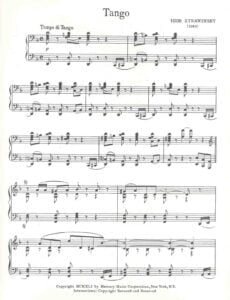
| Stravinsky Tango |
 |
|
| Stravinsky The Firebird Piano Transcription |
 |
Stravinsky: The Firebird |
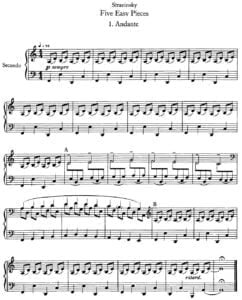
| Stravinsky, Igor 5 Easy Pieces [Piano 4 Hands] |
 |
|
| Stravinsky, Igor – The Rite of Spring Le Sacre du Printemps (piano solo) by Sam Raphling |
 |
|
| Stravinsky, Igor – The Rite of Spring Le Sacre du Printemps (piano solo) arr. by Vladimir Leyetchkiss |
 |
Stravinsky, Igor – The Rite of Spring Le Sacre du Printemps (piano solo) arr. by Vladimir Leyetchkiss |
| Strayhorn An Illustrated Life (Book) |
 |
|
| Straylight Run – Existentialism On Prom Night | ||
| Streabbog (Jean Louis Gobbaerts) – 12 Very Easy and Melodious Studies, op 63 | ||
| Streabbog 12 Twelve Very Easy and Melodious Studies Op. 63 |
 |
|
| Streabbog Book 2 Opus 64 12 Melodious Pieces For Piano |
 |
|
| Streabbog Fairy – Waltz Op. 105 n 1 | Streabbog Fairy – Waltz Op. 105 n 1 | |
| Stride & Swing Piano The Complete Guide (PDF + MP3 tracks play along) |
 |
Stride & Swing Piano Stride & Swing Piano – The Complete Guide |
| Stride Piano Jazz Piano Solos Series Volume 35 |
 |
Stride Piano Jazz Piano Solos Series Volume 35 |
| Stuart K. Hine How Great Thou Art Arr Joel Raney 6 Concert Hymns Expressions For Solo Piano |
 |
|
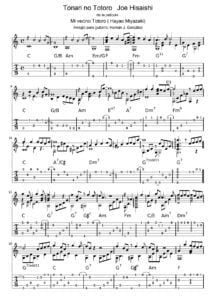
| Studio Ghibli Guitar Arrangements Best Album (Joe Hisaishi & Hayao Miyazaki) with Tablature |
 |
|
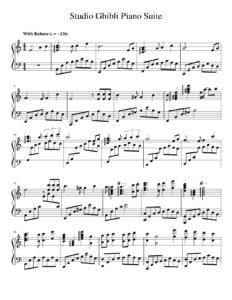
| Studio Ghibli Piano Suite |
 |
|
| Studio Ghibli Songs For Alto Sax And Piano |
 |
Studio Ghibli Songs For Alto Sax And Piano |
| Styx – Babe | ||
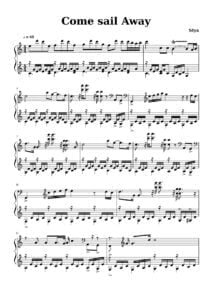
| Styx – Come Sail Away |
 |
|
| Succar Ya Banat (Caramel OST) Rasha Rizk | ||
| Suis-moi – Le Petit Prince OST (Hans Zimmer – Camille) | ||
| Sum 41 – Pieces | ||
| Summer of ’42 (Michel Legrand) | (In Miscelaneous) | |
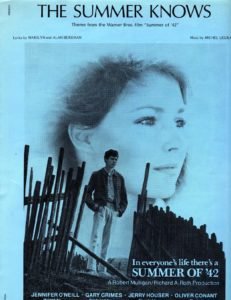
| Summer of ’42 The Summer Knows Michel Legrand Piano & Voice |
 |
Summer of ’42 The Summer Knows Michel Legrand Piano & Voice |
| SUMMER OF’42 THE SUMMER KNOWS Piano (another version) Michel Legrand | THE SUMMER KNOWS -SUMMER OF’42 | |
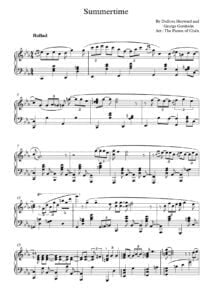
| Summertime – Piano arrangement Pianos Of Cha’n |
 |
|
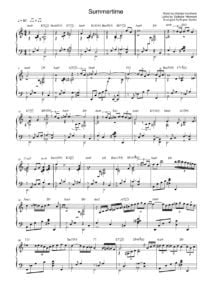
| Summertime G. Gershwin |
 |
|
| Sun And Moon from Miss Saigon Claude-Michel Schönberg and Alain Boublil | Sun And Moon from Miss Saigon Claude-Michel Schönberg and Alain Boublil | |
| Sun Ra sheet music Collection |
 |
1 Sun Ra index sheet music |
| Sunday Music (100 Arrangements For Piano Solo) E. Pauer |
 |
Sunday Music (100 Arrangements For Piano Solo) E. Pauer |
| Sunrise on Pontchartrain (The Curious Case of Benjamin Button OST) Alexandre Desplat | Sunrise on Pontchartrain | |
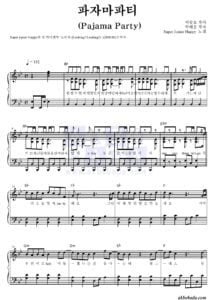
| Super Junior Pajama Party |
 |
|
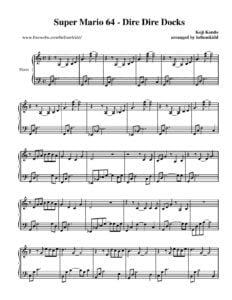
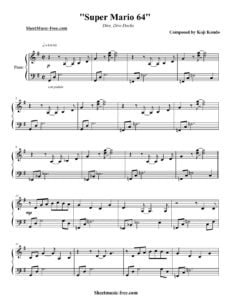
| Super Mario 64 – dire,dire docks |
 |
|
| Super Mario 64 by Koji Kondo – Piano |
 |
|
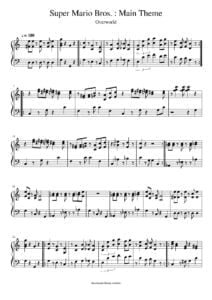
| Super Mario Bros – Main Theme | Super-Mario-Bros-Main-Theme | |
| Super Mario Bros – Main Theme Overworld |
 |
|
| Super Mario Bros – Main Theme Overworld (Musescore File).mscz | ||
| Super Mario Bros – Mario Main Theme – Koji Kondo | ||
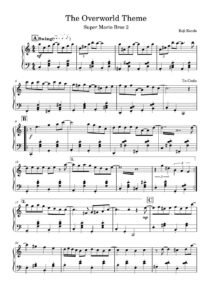
| Super Mario Bros 2 Overworld Theme by Koji Kondo Piano Solo |
 |
|
| Super Mario Bros 2 Complete Piano Arrangement |
 |
|
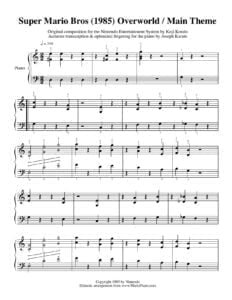
| Super Mario Bros Overworld Main Theme sheet music |
 |
|
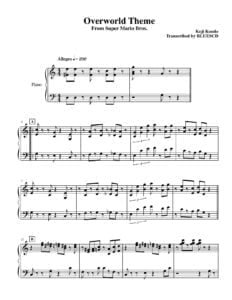
| Super Mario Bros Songbook |
 |
|
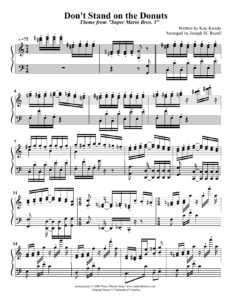
| Super Mario Bros. 3 Don’t stand on the Donuts – Piano Sheet Music |
 |
|
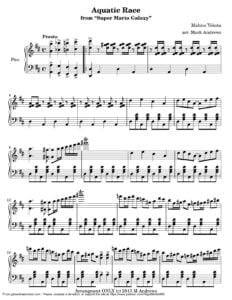
| Super Mario Galaxy – Aquatic Race |
 |
|
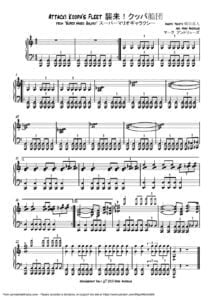
| Super Mario Galaxy – Attack! Koopas Fleet |
 |
|
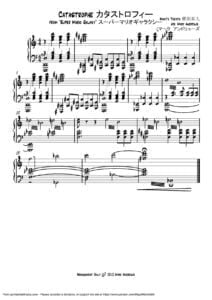
| Super Mario Galaxy – Catastrophe |
 |
|
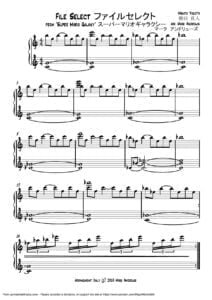
| Super Mario Galaxy – File Select |
 |
|
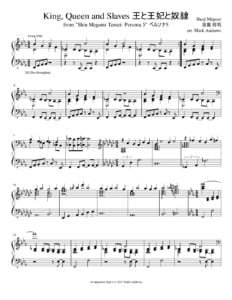
| Super Mario Galaxy – King Koopa’s Entrance |
 |
|
| Super Mario Galaxy – Kinopio’s Expedition |
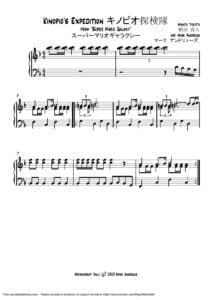 |
|
| Super Mario Galaxy – Overture |
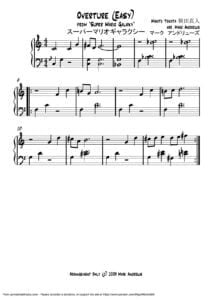 |
|
| Super Mario Galaxy – Peachs Castle is Stolen |
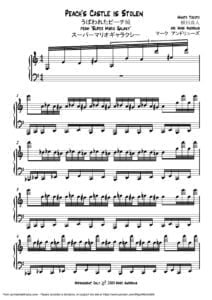 |
|
| Super Mario Galaxy – Rosetta’s Comet Observatory I |
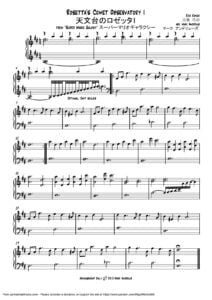 |
|
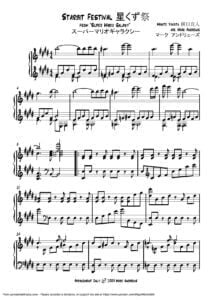
| Super Mario Galaxy – Starbit Festival |
 |
|
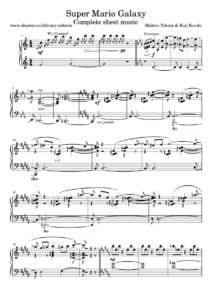
| Super Mario Galaxy Complete Sheet Music |
 |
|
| Super Mario Galaxy Sheet Music (Musescore File).mscz | ||
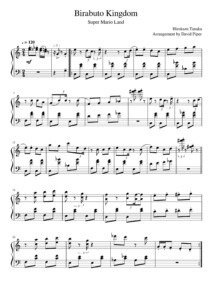
| Super Mario Land – Birabuto Kingdom by Hirokazu Tamaka |
 |
|
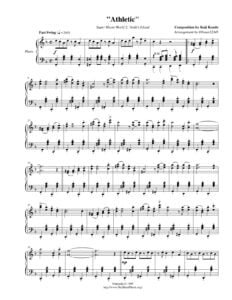
| Super Mario World 2 Yoshis Island – Athletic |
 |
|
| Super Sight Reading Secrets by Howard Richman (Book) for keyboard players |
 |
|
| Super Solos for Acoustic Guitar Solos (by Johnny Norris) Fingerpicking with Tablature |
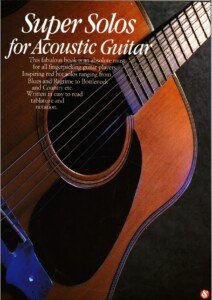 |
Super Solos for Acoustic Guitar Solos (by Johnny Norris) Fingerpicking with Tablature |
| Super Top Ten Volume (Guitar) |
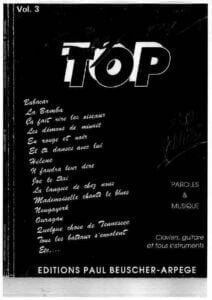 |
Super Top Ten Volume (Guitar) |
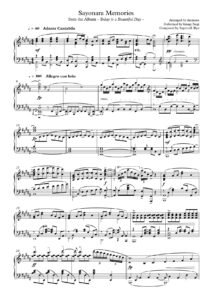
| Supercell – Sayonara Memories |
 |
|
| Supercell Guilty Crown OP 1 My Dearest Piano Solo | Supercell Guilty Crown OP 1 My Dearest Piano Solo | |
| Superhero Themes 14 of Your Favorite Heroes and She-Roes |
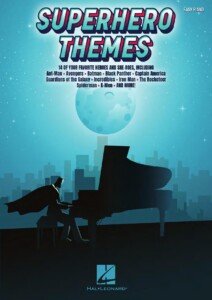 |
Superhero Themes 14 of Your Favorite Heroes and She-Roes |
| Superman It’s Not Easy By John Ondrasik Piano Vocal Guitar Chords | Superman It’s Not Easy By John Ondrasik Piano Vocal Guitar Chords | |
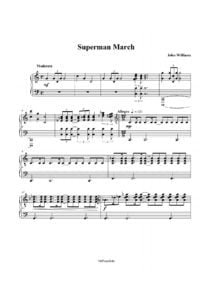
| Superman Theme For Piano |
 |
|
| Supertramp – Breakfast In America |
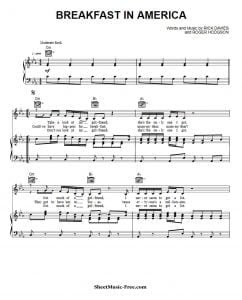 |
Supertramp Breakfast In America Book |
| Supertramp – Logical Song | ||
| Supertramp Anthology Songbook |
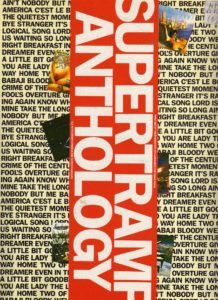 |
Supertramp Anthology Songbook |
| Supertramp Breakfast In America SongBook |
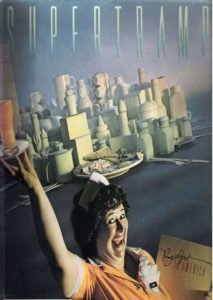 |
Supertramp Breakfast In America Book |
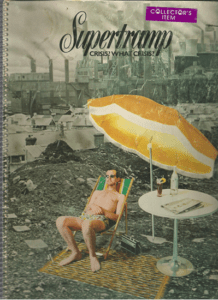
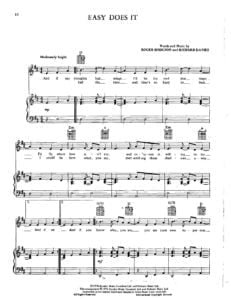
| Supertramp Crisis What Crisis SongBook |
 |
 |
| Supertramp Even In The Quietest Moments Songbook |
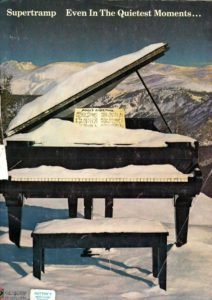 |
Supertramp Even In The Quietest Moments |
| Supertramp Famous Last Words SongBook |
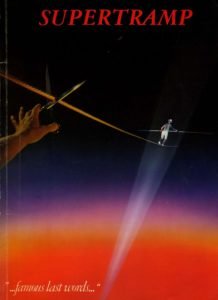 |
Supertramp Famous Last Words Book |
| Supertramp Fool s Overture Piano Vocal (Musescore file).mscz | Musescore File | |
| Supertramp Paris SongBook |
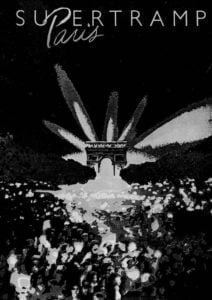 |
Supertramp Paris Book |
| Supremes The Best of The Supremes Greatest Hits Piano Vocal Chords |
 |
Supremes The Best of The Supremes Greatest Hits Piano Vocal |
| Supremes, The Supremes Greatest Hits Piano Vocal Chords (Diana Ross, Mary Wilson, Florence Ballard) |
 |
Supremes, The Supremes Greatest Hits Piano Vocal Chords |
| Surface Pressure – Encanto (sheet music).mscz | ||
| Survivor Eye Of The Tiger Guitar Tabs Tablature | Survivor Eye Of The Tiger Guitar Tabs Tablature | |
| Survivor Eye Of The Tiger Piano Vocal Frank Sullivan Jim Peternik | Survivor Eye Of The Tiger Piano Vocal Frank Sullivan Jim Peternik Page 1 | |
| Survivor The Search Is Over Piano Vocal Guitar Chords Frank Sullivan Jim Peternik | Survivor The Search Is Over Piano Vocal Guitar Chords Frank Sullivan Jim Peternik | |
| Suzanne Ciani Adagio from the album Pianissimo | Suzanne-Ciani-Adagio 1st page | |
| Suzanne Ciani Dream Songs for piano |
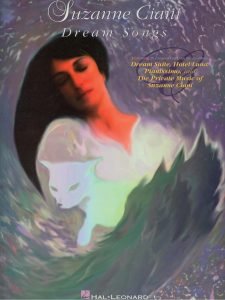 |
Suzanne Ciani Dream Songs piano |
| Suzanne Ciani New Age Piano |
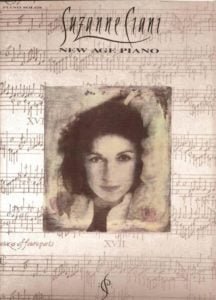 |
Suzanne Ciani New Age Piano |
| Suzanne Vega Songbook |
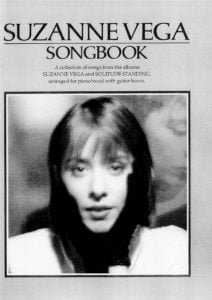 |
Suzanne Vega Songbook |
| SUZUKI – Guitar School Revised Edition (Vol 1) |
 |
SUZUKI – Guitar School Revised Edition (Vol 1) |
| Suzuki Guitar (Complete Vol. 1 To 9) |
 |
SUZUKI GUITAR Vol 1-9 |
| Suzuki Piano School – Vol 07 – Mozart Handel and Paderevski |
 |
|
| Suzuki Piano School Volumes 1 to 7 (240 p.) |
 |
Suzuki 1-7 – Piano School (7 books) |
| Suzuki Tsunekichi – Omohi De – Irish Folk Song Opening Theme To The Netflix Series Midnight Diner Tokyo Stories) (Musescore File).mscz | ||
| Suzuki Tsunekichi – Omohi de – Irish Folk Song Opening theme to the Netflix series Midnight Diner Tokyo Stories) Guitar | Suzuki Tsunekichi – Omohi de – Irish Folk Song Opening theme to the Netflix series Midnight Diner Tokyo Stories) Guitar | |
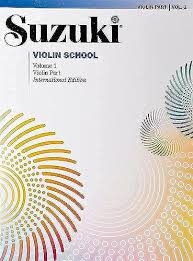
| Suzuki Violin School Volume 1 Violin Part International Edition |
 |
|
| Sveinn Eythorsson – Easy Guitar Songs |
 |
|
| Swan Lake Theme – Tchaikovsky (Musescore File).mscz | ||
| Swanee River Boogie Woogie – Albert Ammons (Musescore File).mscz | ||
| Sweet Hour Of Prayer – Piano Solo arr. of 13 Sacred Songs by Marvin Goldstein |
 |
Sweet Hour Of Prayer – Piano Solo arr. of 13 Sacred Songs by Marvin Goldstein |
| Swing Low Sweet Charriot (Musescore File).mscz | ||
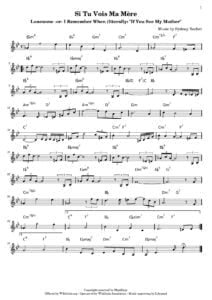
| Sydney Bechet Si Tu Vois Ma Mere Lead sheet music GUITAR CHORDS |
 |
|
| Symphony No 40 In Gm K550 (Musescore File).mscz | ||
| Symphony No 9 In E Minor (From The New World) For Piano – 1st Movement (Adagio – Allegro Molto) (Musescore File).mscz | ||
| Symphony No 9 In E Minor (From The New World) For Piano – 2nd Movement (Largo) (Musescore File).mscz | ||
| Symphony No 9 In E Minor 4th Mov. (From The New World) A. Dvorak (Musescore File).mscz | ||
| Symphony No. 2 Third Mov. Advanced Piano Arr. (Musescore File).mscz | ||
| Symphony No. 5 – Adagietto Gustav Mahler (Musescore File).mscz | ||
| System Of A Down – Lonely Day | ||
| T – Pain – Buy You A Drink | ||
| T-Bone Walker – Vital Blues Guitar (Note for Note transcriptions with Tablature) |
 |
T-Bone Walker – Vital Blues Guitar (Note for Note transcriptions with Tablature) |
| Tablature of Guitar Explained Tabulaturscheibweise Tablatura per chitarra Tablature de guitare | Tablature of Guitar Explained Tabulaturscheibweise Tablatura per chitarra Tablature de guitare | |
| Table for Two – Nocturnal Animals OST (Abel Korzeniowski) | ||
| Take Five (Musescore File).mscz | ||
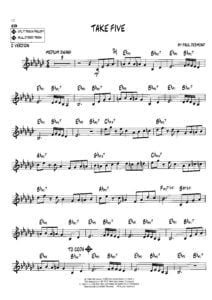
| Take Five by Paul Desmond Jazz Play Along |
 |
|
| Take Five Guitar by Chet Atkins.mscz | ||
| Take Five Jazz Standard by Paul Desmond arranged for Guitar by Chet Atkins with Tablature TABs | Take Five Jazz Standard by Paul Desmond arranged for Guitar by Chet Atkins with Tablature | |
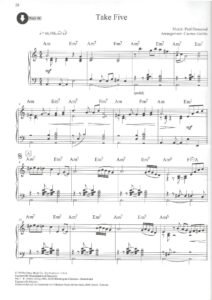
| Take Five Jazz Standard Paul Desmond Dave Brubeck arr. Carsten Gerlitz |
 |
|
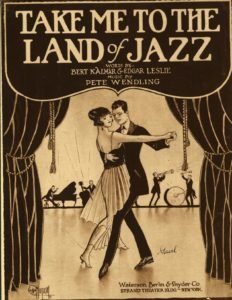
| Take Me To The Land Of Jazz by Pete Wendling (1919) |
 |
|
| Take That – Could It Be Magic | ||
| Take That – How Deep Is Your Love | Take That how-deep-is-your-love | |
| Take That Greatest Hits Piano Vocal Guitar Chords |
 |
Take That Greatest Hits Piano, Vocal, Guitar Chords |
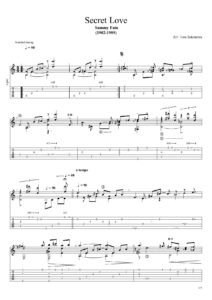
| Takemitsu – Secret Love Guitar with TABs |
 |
|
| Takemitsu For Away For Piano |
 |
|
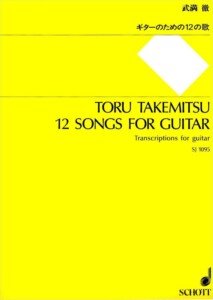
| Takemitsu, Toru – 12 Songs for guitar |
 |
|
| Takemitsu, Toru – In the woods Three pieces for guitar |
 |
|
| Takemitsu, Toru – Piano Distance |
 |
|
| Tal Farlow Best Of Tal Farlow Guitar Recorded Versions With Tablature |
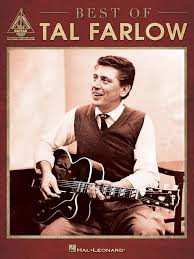 |
Tal Farlow Best Of Tal Farlow Guitar Recorded Versions With Tablature |
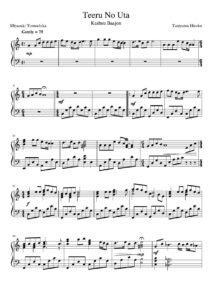
| Tales Of Earthsea Teeru No Uta Kashuu Baajon Taniyama Hiroko Miyazaki Tomochika |
 |
|
| Talking Heads Anthology |
 |
Talking Heads Anthology |
| Talking Jazz With Ben Sidran Volume 1 The Rhythm Section (Book) |
 |
|
| Talking Jazz With Ben Sidran Volume 2 Solo Voices (Book) |
 |
|
| Tally Hall Hidden In The Sand (Piano Solo) |
 |
|
| Tammy Wynette The Best of – Piano Vocal Chords |
 |
Tammy Wynette The Best of – Piano Vocal Chords |
| Tango El Caramel (Khaled Mouzanar) | ||
| Tango Fake Book |
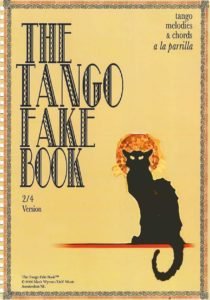 |
Tango Fake Book |
| Tangos And More (Intermediate Piano Solos) |
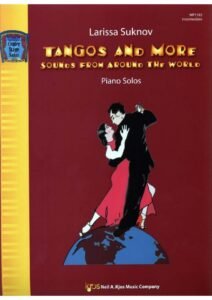 |
Tangos And More (Intermediate Piano Solos) |
| Tangos Para Guitarra |
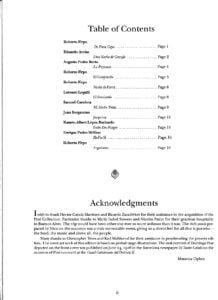 |
Tangos |
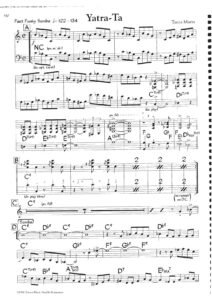
| Tania Maria Yatra Ta |
 |
|
| Tant Que Vivray (Musescore File).mscz | ||
| Tanta voglia di lei (Pooh) | ||
| Tarantella in 3rd class (Ennio Morricone) | ||
| Taro Iwashiro – Her Most Beautiful Smile | ||
| Tárrega – Làgrima (Guitar Tabs) (Musescore File).mscz | ||
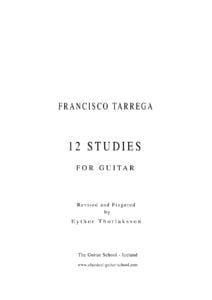
| Tàrrega 12 Studies for Guitar Guitarra |
 |
|
| Tàrrega Gran Vals Guitar Tablature | Tàrrega Gran Vals Guitar Tablature | |
| Tàrrega Integral De Guitarra |
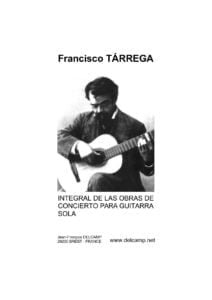 |
Tàrrega guitar |
| Tàrrega, F. – Recuerdos de la Alhambra (Guitar).mscz | ||
| Tarzan The Broadway Musical Songbook Music By Phil Collins Piano Vocal Guitar |
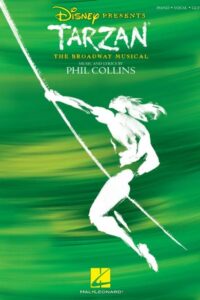 |
Tarzan The Broadway Musical Songbook Music By Phil Collins Piano Vocal Guitar |
| Tatiana Stachak Etude For Dreamers Guitar Notation With Tablature | Tatiana Stachak Etude For Dreamers Guitar Notation With Tablature | |
| Tatiana Stachak Milonga Etude (Notation and TABs) | Tatiana Stachak Milonga Etude (Notation and TABs) | |
| Tatiana Stachak Waltz Falling in Love (Notation and TABs) | Tatiana Stachak Waltz Falling in Love (Notation and TABs) | |
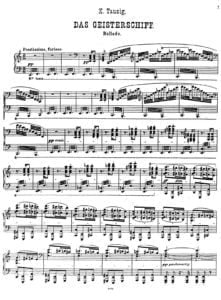
| Tausig – Ballad (The Ghostship – Das Geisterschiff) |
 |
|
| Taverner, John – In Nomine (full score) MS 31390 fol. 120 |