Table of Contents
Who are the Eagles?
Eagles – Greatest Hits (Full Album)
Track List: 1. Take It Easy 00:00 2. Witchy Woman 03:30 3. Lyin’ Eyes 07:41 4. Already Gone 14:02 5. Desperado 18:17 6. One of These Nights 21:50 7. Tequila Sunrise 26:41 8. Take It to the Limit 29:33 9. Peaceful Easy Feeling 34:21 10. The Best of My Love 38:37
Eagles: the pianeers of the Southern California country-rock sound.
The Eagles are not simply a rock band; they are a towering monument of American music, an act that distilled the restless spirit of 1970s California into a peerless catalog of songs. Their sound—a seamless blend of rock, country, folk, and pristine vocal harmonies—defined an era and went on to sell more albums than almost any other group in history. With a career marked by meteoric success, bitter internal strife, a 14-year dissolution, and a triumphant reunion, the Eagles crafted a musical and cultural legacy that continues to resonate decades later. This article provides an exhaustive examination of the band’s biography, music style, improvisational licks, relationships with other artists, chord progressions and harmonic language, influences, legacy, body of work, film and television placements, discography, most celebrated compositions and performances, and documentaries.
The best Sheet Music download from our Library.
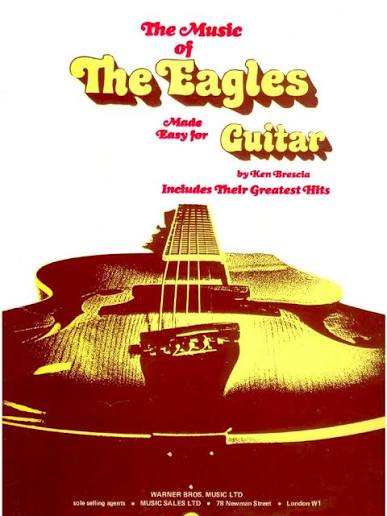

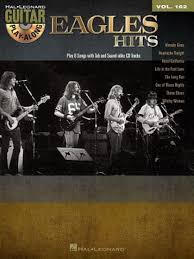
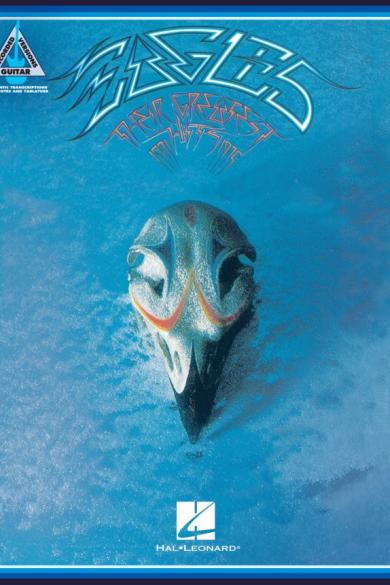

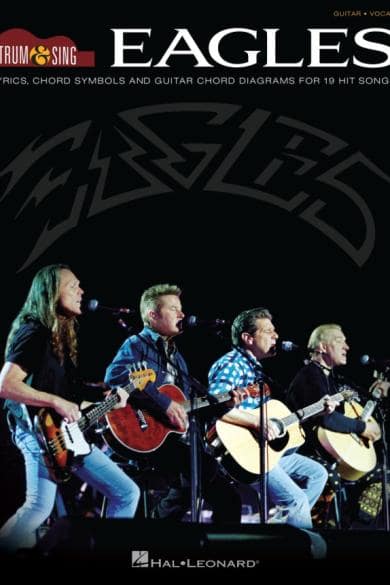
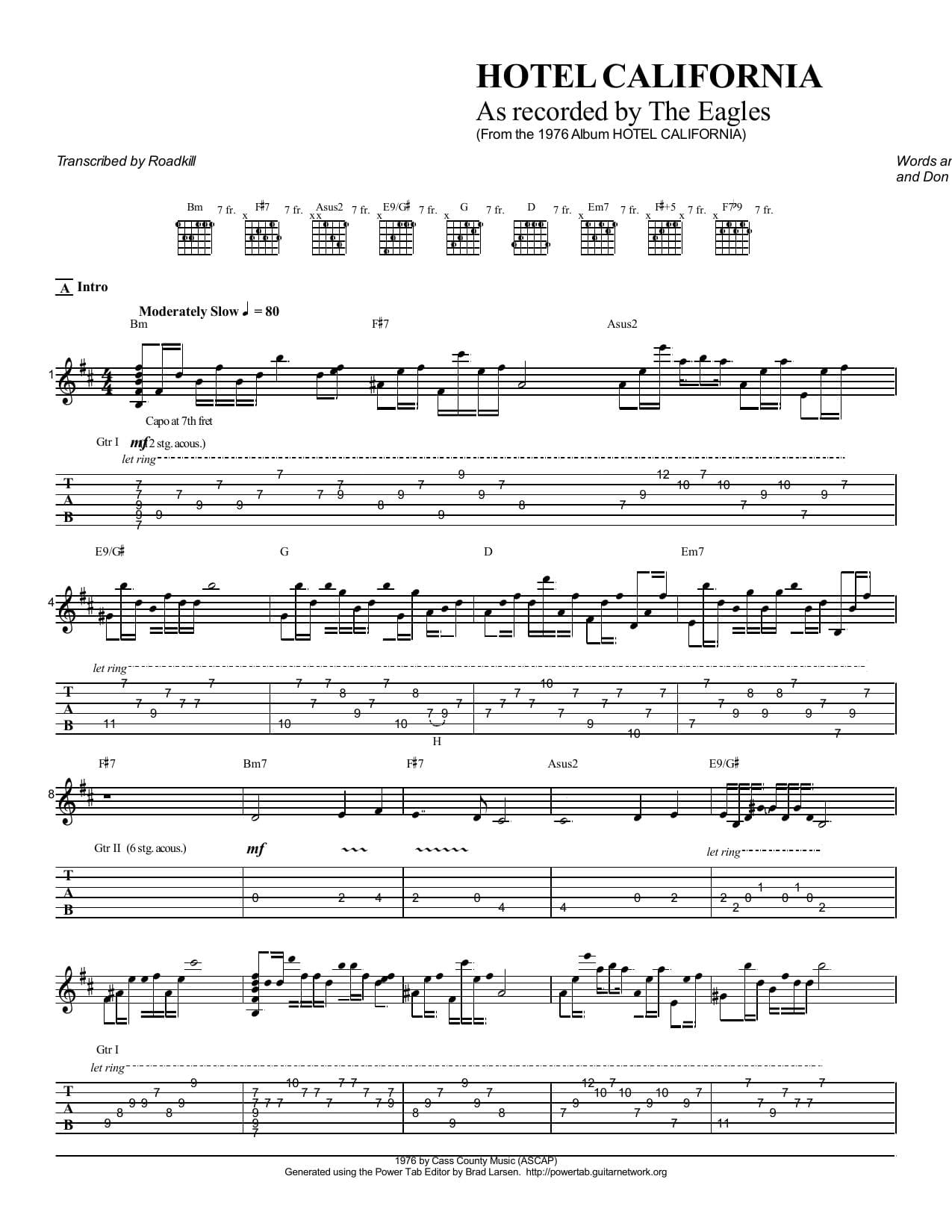
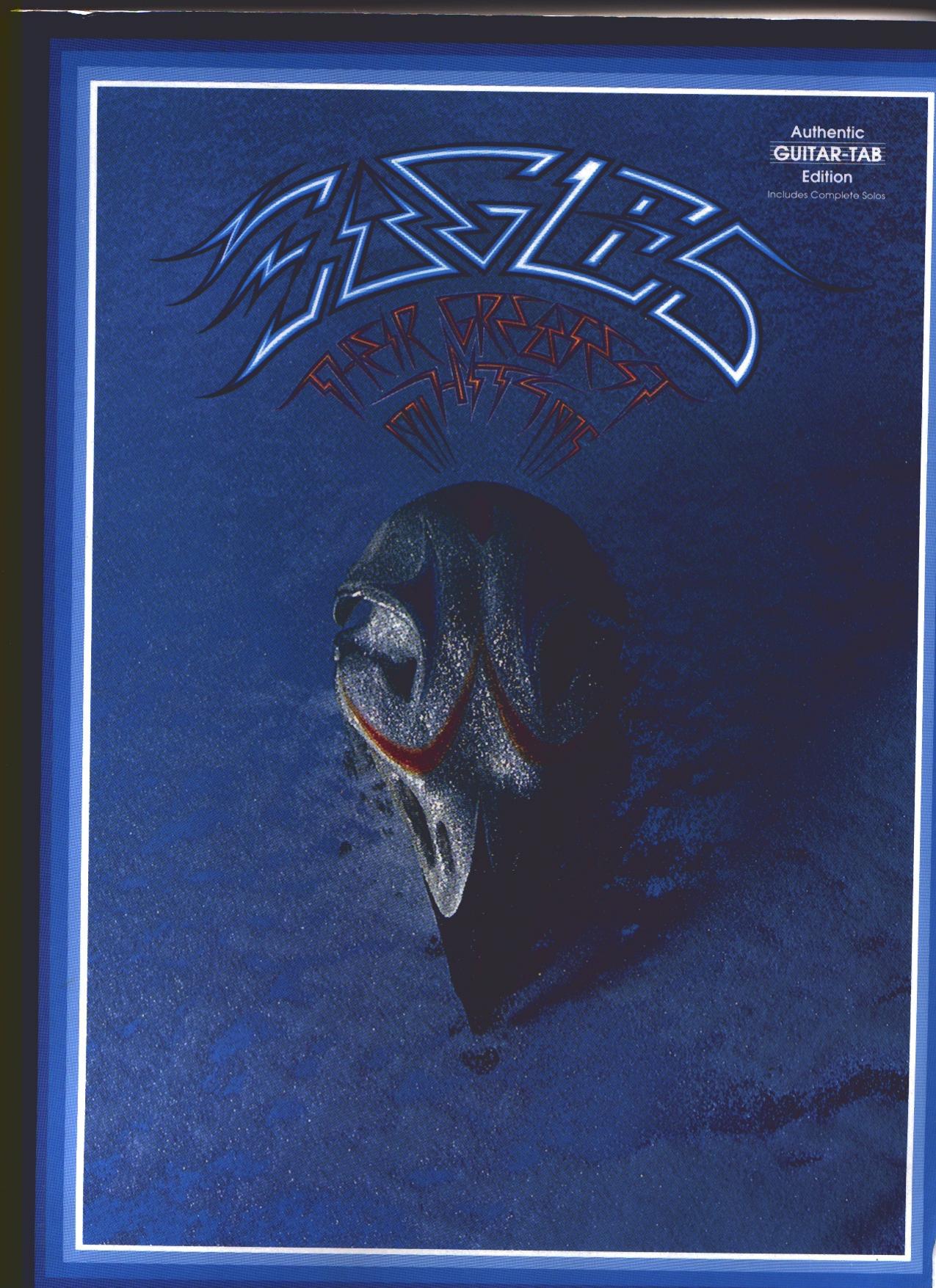
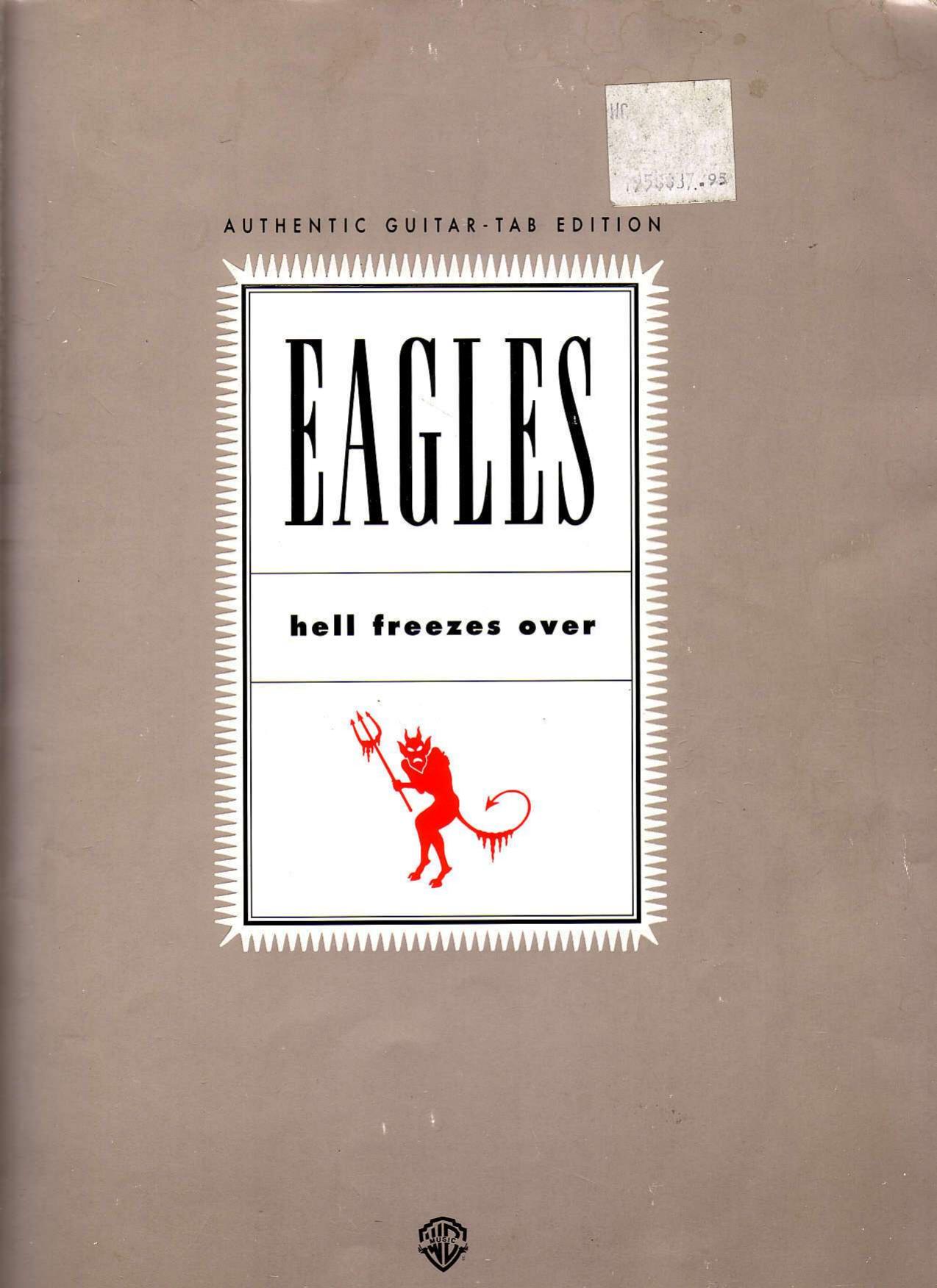
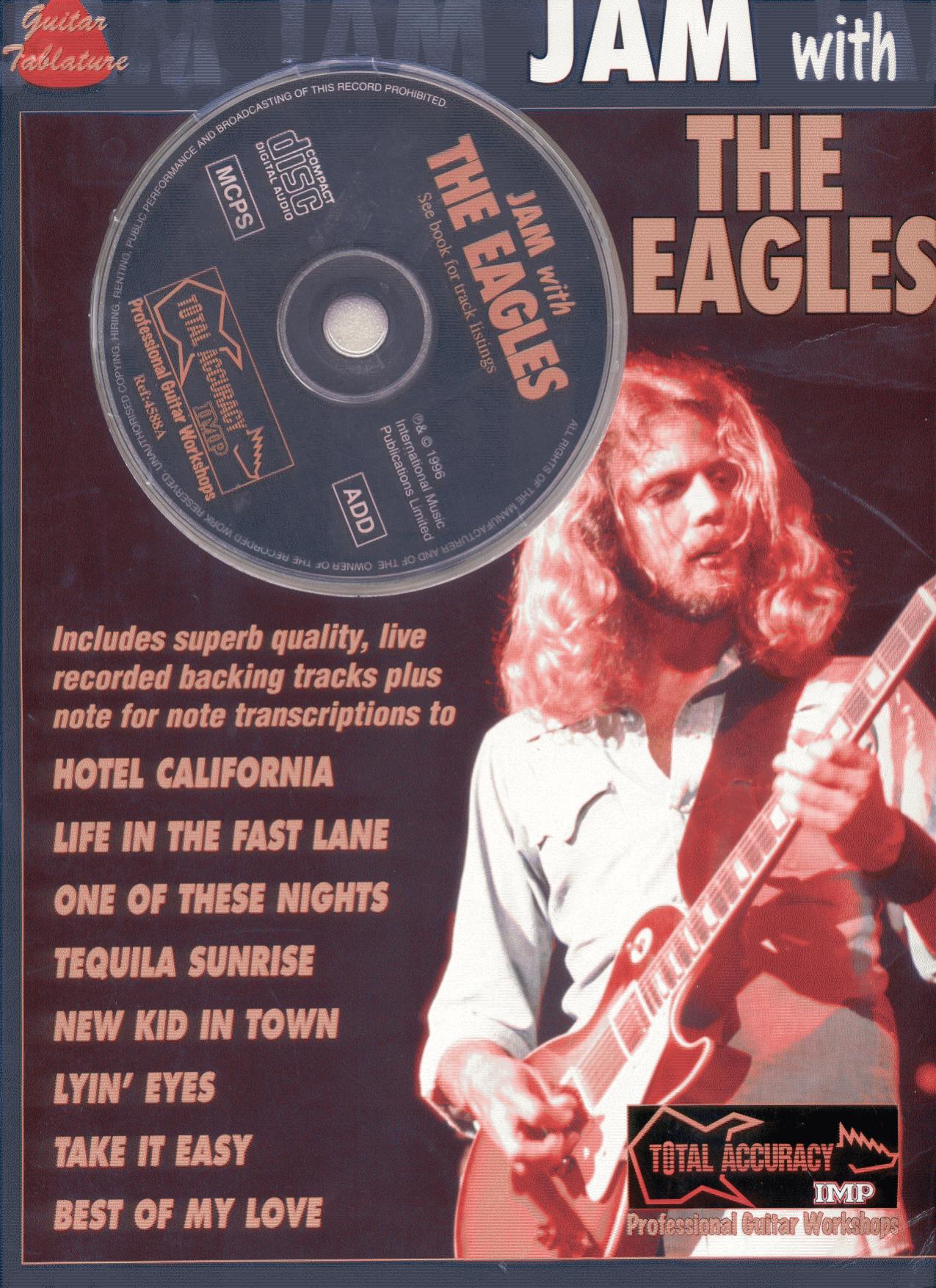
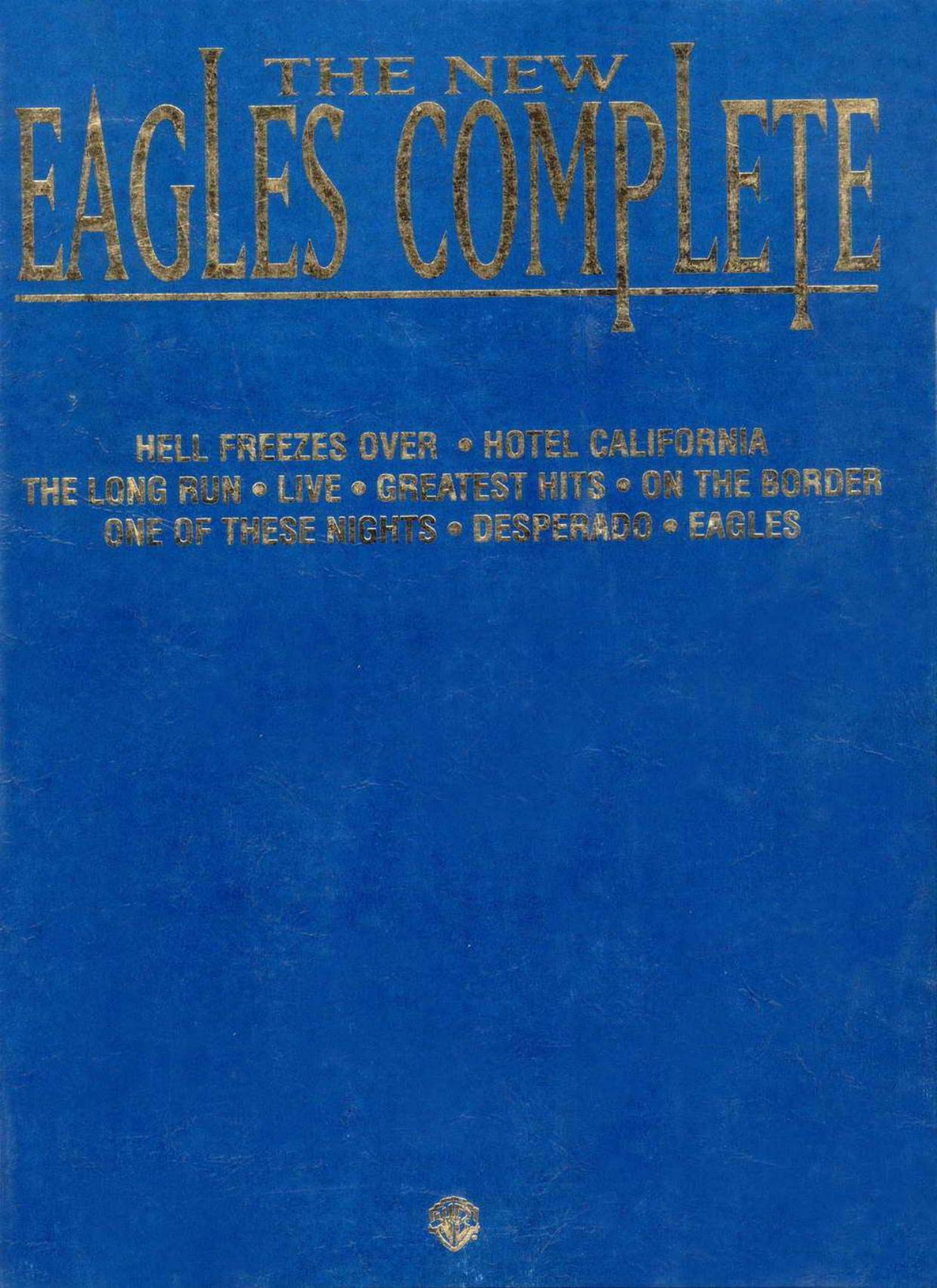
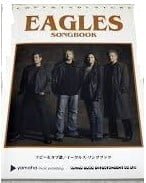
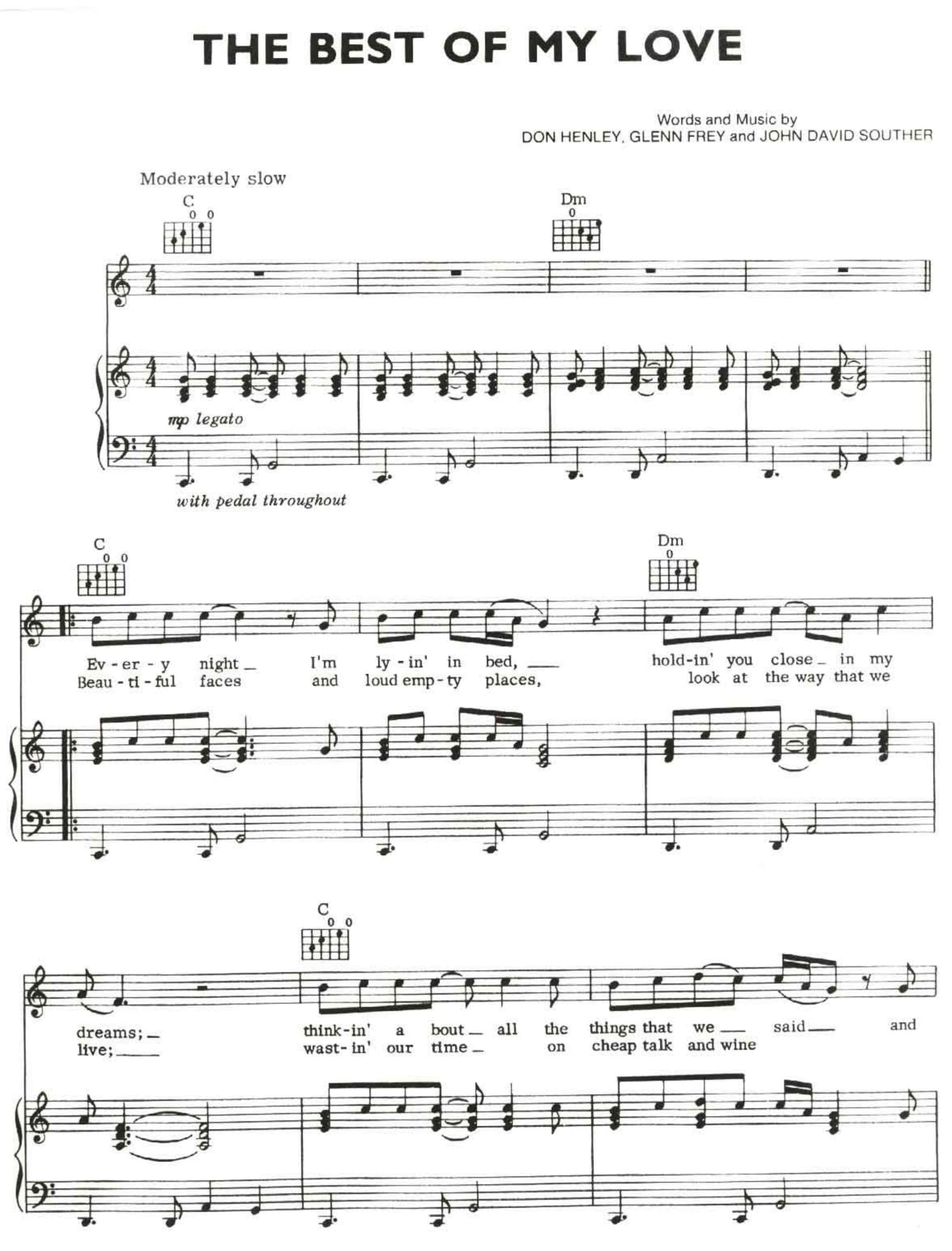
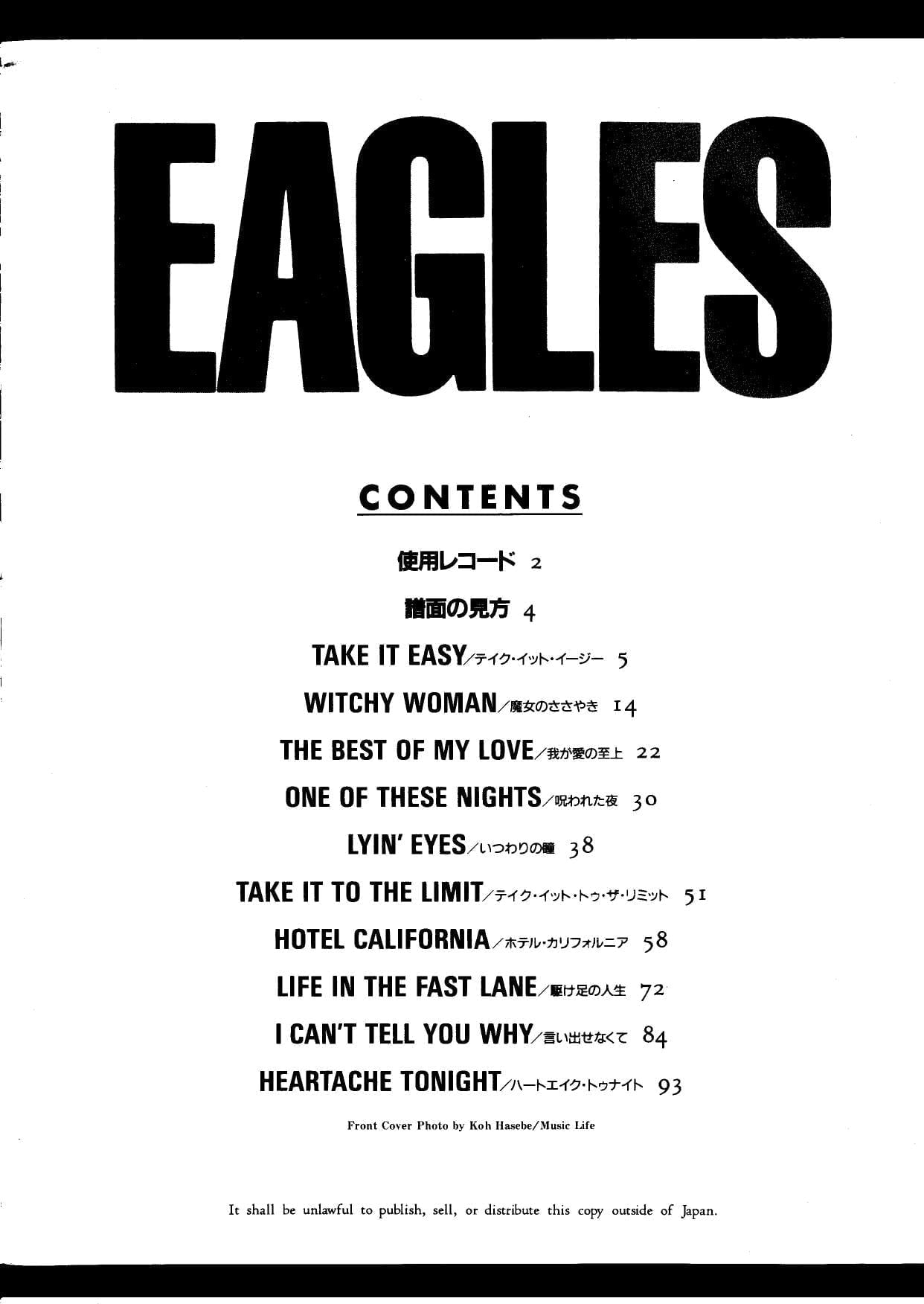
Please, subscribe to our Sheet Music Library.
The Eagles were formed in Los Angeles in 1971, born from the convergence of four musicians hired to back Linda Ronstadt on her summer tour. Guitarist Glenn Frey had come from Detroit, where he had played in local rock bands and absorbed the tough, soulful ethos of the Motor City. Drummer and vocalist Don Henley hailed from Linden, Texas, steeped in the mythic country and folk traditions of the South. They were joined by guitarist Bernie Leadon, a Florida-bred veteran of the pioneering country-rock band the Flying Burrito Brothers, and bassist Randy Meisner, a Nebraskan who had played with the Stone Canyon Band and had a breathtaking falsetto. After jamming together during Ronstadt’s shows at Disneyland, the four men realized their chemistry demanded its own vessel. By September 1971, they signed with David Geffen’s Asylum Records and named themselves the Eagles, evoking the freedom and wide-open spaces of the American West.
Their self-titled debut album arrived in 1972, recorded in London with producer Glyn Johns. It yielded three hit singles: “Take It Easy,” co-written by Frey and neighbor Jackson Browne; “Witchy Woman”; and the easy-rolling “Peaceful Easy Feeling.” The harmonies were polished, the guitars twanged, and the songs felt like a campfire under desert stars. The album established them as leaders of the burgeoning country-rock movement.
The follow-up, Desperado (1973), was a concept album that used Old West outlaw mythology as a metaphor for the rock-and-roll life. Though not a commercial juggernaut at first, the title track, the aching “Tequila Sunrise,” and the suite-like arrangements deepened their artistic credibility. Tensions over musical direction, however, were simmering. Bernie Leadon favored a rootsy, bluegrass-inflected sound, while Glenn Frey and Don Henley were gravitating toward a harder rock edge.
The pivot came with On the Border (1974). Unsatisfied with Glyn Johns’s soft approach, the band brought in Bill Szymczyk, who pushed the guitars forward and encouraged a more aggressive, visceral sound. The gamble paid off with the smoking “Already Gone” and the swaggering title track, but the album’s crown jewel was “Best of My Love,” a country-soul ballad written by Henley, Frey, and J.D. Souther that soared to number one on the Billboard Hot 100.
Guitarist Don Felder, a Gainesville native who had taught Tom Petty a few licks, joined in 1974, thickening the band’s guitar army. This expanded lineup produced One of These Nights (1975), which shattered all prior commercial ceilings. The slinky title track, the waltz-time “Lyin’ Eyes,” and the soaring “Take It to the Limit”—featuring Meisner’s signature high notes—all became top-ten singles. The album was a masterclass in suave, sophisticated rock.



Despite the triumph, interpersonal fractures deepened. Exhausted by fame and artistic disagreements, Leadon departed in late 1975, famously pouring a beer over Frey’s head before quitting. His replacement was Joe Walsh, a hard-rock guitar hero from the James Gang whose wild, unpredictable energy both galvanized and destabilized the band. Walsh’s arrival crystallized the Eagles’ final classic incarnation.
The result was Hotel California (1976), a dark, cinematic masterpiece that sold over 32 million copies worldwide. The title track’s haunted narrative and labyrinthine guitar duel between Felder and Walsh, the cocaine-fuelled rush of “Life in the Fast Lane,” the stately “New Kid in Town,” and the heartbreaking “Wasted Time” cemented the Eagles as the biggest American band of the decade. The album reflected the decay beneath the sunshine, a theme that resonated globally.
The pressures of maintaining that peak proved almost unbearable. The recording of The Long Run (1979) took eighteen agonizing months, racked by perfectionism, substance abuse, and bitterness. The album still delivered hits: the soulful “Heartache Tonight” (written with Bob Seger and J.D. Souther), the smooth “I Can’t Tell You Why” (featuring Timothy B. Schmit, who had replaced Meisner in 1977, on lead vocals), and the title track. But the magic was strained. At a benefit concert in Long Beach in July 1980, an onstage confrontation between Frey and Felder—complete with mutual threats—shattered the band. Frey later declared the Eagles would play together again only “when hell freezes over.”
For fourteen years, that silence held. The members pursued solo careers, with Henley in particular scoring massive hits like “The Boys of Summer” and “Dirty Laundry.” Then in 1994, the impossible happened: Hell Freezes Over, an MTV special and subsequent album documenting a reunion that began with a simple acoustic rendition of “Hotel California.” The tour became one of the highest-grossing of all time, proving the public’s appetite for the Eagles had never dimmed.
The band continued to tour intermittently, releasing a new studio album, Long Road Out of Eden, in 2007, a double-disc set that debuted at number one. Glenn Frey’s death in January 2016 from complications of rheumatoid arthritis, acute ulcerative colitis, and pneumonia shook the music world. The surviving members, joined by Frey’s son Deacon and country legend Vince Gill, extended the Eagles’ live legacy with tours billed as “An Evening with the Eagles” until officially concluding their journey with the final “Hotel California” tour in 2024.
Music Style
The Eagles’ music is a synthesis of several American vernaculars: the storytelling of folk, the twang of Bakersfield country, the elasticity of bluegrass, the crunch of rock, and the sophistication of pop. At its core is an emphasis on melody and vocal arrangement. The band’s signature is multi-part harmony, often stacked in close thirds, evoking the barbershop quartet filtered through the Laurel Canyon breeze. Songs like “Seven Bridges Road” (a Steve Young cover) showcase a five-part a cappella intro that pulses with choral precision.
Instrumentally, the Eagles’ style evolved from the acoustic-driven country-rock of their early records to a more layered, electric sound. The dual-guitar interplay between Don Felder and Joe Walsh (and earlier Bernie Leadon) became a hallmark, weaving melodic counterpoint and rock swagger. The rhythm section, anchored by Henley’s crisp, song-serving drumming and Meisner’s or Schmit’s melodic bass lines, provided a supple, breathing foundation.
The production, largely helmed by Bill Szymczyk from 1974 onward, was immaculate, favoring clarity and separation, with each acoustic string, harmony part, and cymbal wash occupying its own space. The result was a polished, warm aesthetic that came to define 1970s West Coast rock.
While the Eagles are not a jam band in the Grateful Dead mold, their catalog contains some of rock’s most iconic structured solos and live instrumental extensions. The epic guitar duet at the end of “Hotel California” is their most celebrated improvisational moment. The solo was originally conceived by Don Felder and Joe Walsh, trading arpeggiated and searing melodic phrases over the song’s i-V-bVII-IV progression. Felder’s opening salvo is a cascade of 16th-note triplets that outlines the chords, while Walsh responds with a blues-drenched, vibrato-heavy wail. In concert, this closing section regularly stretches beyond six minutes, with both guitarists adding fresh bends, hammer-ons, and double-stops each night
Joe Walsh’s slide guitar is another vehicle for improvisational flair. On “Life in the Fast Lane,” his greasy, talk-box-inflected solo in the fade-out becomes a riot of squawks and howls. His work on “Rocky Mountain Way,” which he brought to the Eagles’ live set, features a harmonized guitar lead that often morphs into a freeform showcase of controlled feedback and slide acrobatics.
Don Felder’s solo on “One of These Nights” is a masterpiece of economy and feel. Over a slinky, minor-key funk groove, he constructs a solo that rises in intensity, using bent notes and rapid legato runs that peak with a screaming high bend, all while staying firmly inside the song’s seductive mood.
Even Glenn Frey, more a rhythm guitarist and singer, contributed memorable leads: his clean, melodic solo on “I Can’t Tell You Why” is a lesson in restraint, each note placed with the care of a singer. Live, the band often extended intros and outros; the acoustic reimagining of “Hotel California” from Hell Freezes Over begins with a nylon-string classical guitar prelude, percussively tapped and bowed, setting a ceremonial tone before the famous chords arrive. On extended tours, Vince Gill and Deacon Frey have added new voices and guitar textures, subtly reshaping solos while honoring the original templates.
Relationship with Other Artists
The Eagles’ story is entwined with a constellation of fellow musicians. They were literally born onstage with Linda Ronstadt, and her influence on their blend of country sincerity and rock power cannot be overstated. Jackson Browne, who finished writing “Take It Easy” with Glenn Frey while living in the same apartment building, remained a close collaborator and co-wrote “Doolin-Dalton” on Desperado. J.D. Souther, often called “the secret Eagle,” co-wrote many of their finest songs—“Best of My Love,” “New Kid in Town,” “Heartache Tonight,” and “The Sad Café”—and was an inseparable part of their creative circle.
Bob Seger, a childhood hero of Frey’s from Detroit, co-wrote “Heartache Tonight” and embodied the raw, rock-and-soul attitude Frey admired. Joe Walsh’s arrival created a bridge to the hard-rock world; his band James Gang had been an FM radio staple, and his friendship with Pete Townshend and the Who added another layer of rock credibility.
Don Henley’s solo work, particularly “Leather and Lace,” forged a deep bond with Stevie Nicks of Fleetwood Mac, with whom he had a romantic relationship and a mutual artistic admiration that crossed the boundaries of two massive 1970s bands. The Eagles and Fleetwood Mac shared a parallel trajectory—California-based, harmony-rich, torn by intra-band drama—and their members often attended each other’s shows and collaborated in the studio.
Rivalries were less with other artists than with the press. The Eagles’ relationship with Rolling Stone magazine was notoriously frosty, with the band feeling misunderstood and condescended to. In an infamous 1979 cover story, the writer depicted them as calculating and bland, prompting the band to shut out the press for years.
Ironically, the Eagles’ own internal feuds are legendary. The Frey-Felder rift, which exploded onstage in 1980 and later in contentious legal battles after the band fired Felder in 2001, was one of rock’s ugliest breakups. Their relationship was a study in creative tension: Felder’s musicianship versus Frey and Henley’s control. Yet out of that friction came breathtaking music.
Chord Progressions and Music Harmony
The harmonic language of the Eagles is deceptively simple yet full of sophisticated touches that elevate their songs beyond basic folk-rock. The most analyzed progression in their catalog is “Hotel California.” The eight-chord cycle (Bm–F♯–A–E–G–D–Em–F♯) is built on a chromatic descending bass line: B–A♯–A–G♯–G–F♯–E–F♯. Harmonically, it’s a tour through modal mixture. In the key of B minor, the F♯ major is the dominant borrowed from harmonic minor (with A♯). The A major is the subtonic VII from natural minor. The E major is a major IV chord, drawn from the Dorian mode (G♯ instead of the natural minor’s G). The G major is the flat-VI, D major the flat-III, Em the minor iv. This tapestry of moods—sinister minor, bright major IV, and bittersweet iv—mirrors the song’s lyrical descent into decadence.
Many early Eagles songs lean on the I–V–vi–IV axis, the backbone of thousands of pop tunes. “Take It Easy” is a prime example, cycling through G–D–Em–C before visiting an Am–D turnaround that adds a hint of tension. “Peaceful Easy Feeling” uses a similar vocabulary but with suspended chords (Esus4) that create a floating, unresolved openness before resolving to the tonic.
The band’s ballads often employ the minor iv chord for heartbreak. In “Desperado,” the piano shifts from G to G7 (V7/IV) to C, then to C minor (iv), painting the lyric “you better let somebody love you” with a profound sadness. “Lyin’ Eyes” moves from G major to G major 7, then C major 7, a chromatic inner line (G–F♯–F–E as part of the bass or top voice) that signals the creeping deception in the story. “New Kid in Town” features a sophisticated key change, modulating up a whole step from E major to F♯ major at the end, lifting the song into a final, yearning climax.
Harmony singing is central. Henley’s tenor, Frey’s midrange, Leadon’s high baritone, and Meisner’s falsetto created a four-part blend that could be lush and layered. In “Seven Bridges Road,” the a cappella intro has the voices moving in homophonic blocks, with the melody in the top voice and three harmonies a third, fifth, and octave below, creating a rich, bell-like resonance. The Eagles’ vocal arrangements often feature a lead vocal supported by a second voice a third below in the verses, then blossoming into full three- or four-part choruses.
Influences
The Eagles did not invent country-rock; they perfected it by absorbing a host of influences. Gram Parsons and the Flying Burrito Brothers bequeathed the idea that country music could be cool, soulful, and rock-aware. The Byrds’ Sweetheart of the Rodeo and Buffalo Springfield’s folk-rock explorations laid the groundwork. Crosby, Stills & Nash’s vocal harmonies were a direct template: Henley has cited their use of stacked intervals as an epiphany. The Beatles’ melodic inventiveness and the Beach Boys’ vocal lushness are threaded through their pop instincts.
From the rock side, Bob Seger’s blue-collar storytelling and the hard-edged R&B-influenced rock of early Detroit shaped Frey’s attitude and songs like “Heartache Tonight.” Joe Walsh brought the manic energy of the James Gang, along with the guitar heroics of Jimi Hendrix and Eric Clapton. The country influence ran deep: Merle Haggard, Buck Owens, and the Bakersfield sound informed the twang in their arrangements, while bluegrass aficionado Bernie Leadon contributed banjo, mandolin, and steel guitar textures on the early albums.
Legacy
The Eagles are statistically one of the most successful bands in music history. Their compilation Their Greatest Hits (1971–1975) is certified 38-times platinum by the RIAA, tied with Michael Jackson’s Thriller as the best-selling album of all time in the United States. Hotel California has moved over 32 million copies globally. The band won six Grammy Awards, were inducted into the Rock and Roll Hall of Fame in 1998, and their reunion tours consistently rank among the top-grossing of any era.
Beyond numbers, their cultural imprint is profound. The Eagles crystallized the “California sound” for the world—a mix of hedonism and melancholy, polished yet rooted. Songs like “Hotel California” have spawned urban legends, endless interpretations, and a permanent place in the collective consciousness. The band’s music became the default soundtrack for road trips, classic-rock radio, and a certain ideal of American freedom tinged with regret. Country artists from Garth Brooks to Travis Tritt (who scored a hit with “Take It Easy”) cite them as a formative influence, and their template of polished, harmony-drenched rock opened doors for generations of Americana and rock acts.
Their business acumen—particularly Henley and Frey’s fierce control over publishing and touring—set a precedent for artist empowerment. The “Hell Freezes Over” reunion established the viability of the legacy-act mega-tour. The 2013 documentary History of the Eagles and its brutally honest depiction of infighting and ego set a new standard for music docs. The Eagles’ legacy is complicated by its contradictions: perfectionists who sang of easy peace, California boys from Texas and Detroit, a band that made millions feel less alone while its members could barely stand each other. That complexity only deepens the art.
Eagles’ Works
The Eagles’ catalog spans seven studio albums, three live albums, and numerous compilations. Their songs are meticulously crafted narratives: “Hotel California” is a surreal allegory of excess; “Desperado” an empathetic plea to an aging outlaw; “Life in the Fast Lane” a blistering portrait of cocaine-induced numbness; “Take It Easy” an invitation to let go of burdens. The body of work is a unified tapestry of West Coast mythmaking, rock-guitar heroism, and country heart.
Works on Films
Eagles music has been strategically used in cinema and television, often to evoke a specific era or emotional tone. The most famous cinematic moment belongs to The Big Lebowski (1998). In a scene in a taxi, the Dude asks the driver to change the radio station when “Peaceful Easy Feeling” plays, leading to an angry ejection and the immortal line, “I hate the fucking Eagles, man!” Later in the same film, a Spanish-language cover of “Hotel California” by the Gipsy Kings soundtracks Jesus Quintana’s bowling sequence, a cross-cultural echo that reaffirmed the song’s ubiquity.
Their songs have appeared in numerous other films: “Take It Easy” featured in American Hustle; “Hotel California” in Shrek the Third and The Devil’s Rejects; “Life in the Fast Lane” in Foxes; “Lyin’ Eyes” in The Vietnam War documentary series. The band itself released the concert film Hell Freezes Over (1994) and the Farewell 1 Tour: Live from Melbourne (2005), which captured their stadium grandeur. Their own documentary, History of the Eagles (2013), remains the definitive visual chronicle.
Discography
Studio Albums
- Eagles (1972)
- Desperado (1973)
- On the Border (1974)
- One of These Nights (1975)
- Hotel California (1976)
- The Long Run (1979)
- Long Road Out of Eden (2007)
Live Albums:
- Eagles Live (1980)
- Hell Freezes Over (1994)
- Farewell 1 Tour: Live from Melbourne (2005)
Compilations:
- Their Greatest Hits (1971–1975) (1976)
- Eagles Greatest Hits, Vol. 2 (1982)
- The Very Best of the Eagles (1994)
- Selected Works: 1972–1999 (2000)
Most Known Compositions and Performances:
The Eagles’ most enduring songs include: “Hotel California,” “Take It Easy,” “Desperado,” “Life in the Fast Lane,” “One of These Nights,” “Lyin’ Eyes,” “Take It to the Limit,” “New Kid in Town,” “Heartache Tonight,” “I Can’t Tell You Why,” “Peaceful Easy Feeling,” “Witchy Woman,” “Already Gone,” “Tequila Sunrise,” “Best of My Love,” “The Long Run,” and the epic harmonized cover “Seven Bridges Road.”
Definitive live performances include the acoustic “Hotel California” from the Hell Freezes Over concert—a pristine, flamenco-inflected reinvention; the fiery 1977 Capital Centre show where the band was at its peak, captured on video with Walsh and Felder trading licks with swaggering precision; their Rock and Roll Hall of Fame induction performance in 1998, where all seven past and present members harmonized on “Take It Easy” and “Hotel California” in a rare moment of unity; and the Farewell 1 Melbourne concert, a high-definition spectacle of flawless musicianship.
Documentaries
The indispensable documentary is History of the Eagles (2013), a two-part, three-hour film directed by Alison Ellwood and produced with the full cooperation of the band. It is unflinchingly honest, chronicling the glory years, the dissolutions, and the reunion with candid interviews and remarkable archival footage. It stands as one of the most acclaimed rock documentaries ever made. The concert film Hell Freezes Over documents the emotional 1994 reunion. Additionally, the DVD releases of the Farewell 1 Tour and the 1977 Capital Centre concert serve as essential time capsules of the band’s live prowess.
The Eagles remain a paradox: a band that sang of taking it easy while working with an obsessive, punishing drive. Their harmonies provided comfort, their lyrics evoked a crumbling paradise, and their legacy endures as both a cautionary tale and an aspirational pinnacle of songcraft. As long as there are highways, headphones, and a yearning for the open road, the Eagles will ride on.
Browse in the Sheet Music Library:
Or browse in the categories menus & download the Library Catalog PDF:
Eagles – Hotel California (Live 1977)
“Hotel California” (Live from the Capital Centre in Landover, Maryland in 1977) performed by the Eagles. Original song from ‘Hotel California’ (1976).